Predictive Analysis: How Analytics Tools Are Transforming Digital Marketing
The Importance of Predictive Analysis in Marketing
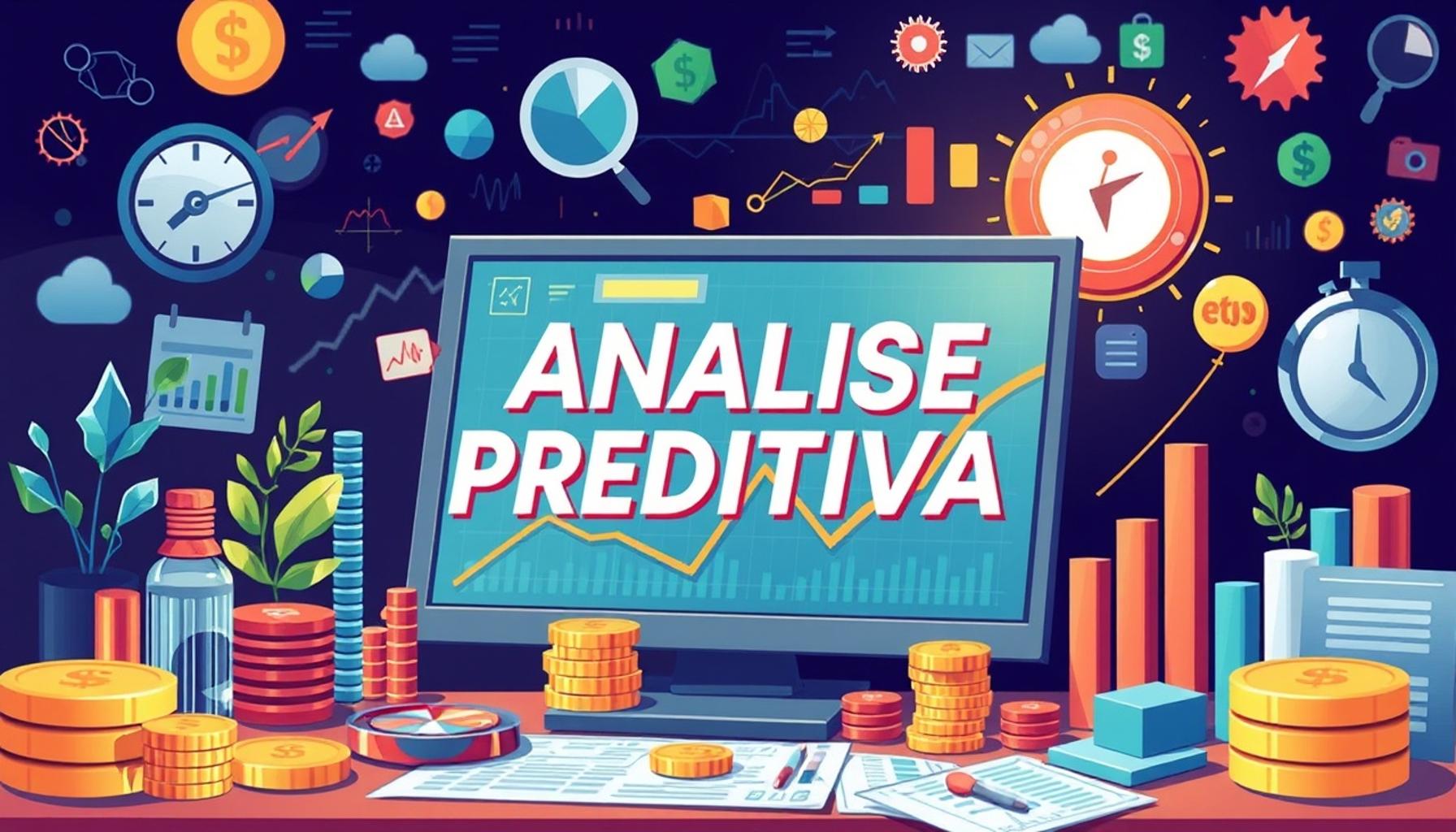
In a world where consumer preferences and market conditions are constantly changing, businesses need to stay one step ahead. Predictive analysis has emerged as a key strategy to help organizations navigate these complexities by effectively utilizing data-driven insights. By analyzing past behaviors and trends, businesses can forecast future actions, enabling them to make informed decisions in real-time.
Data-Driven Insights
At the core of predictive analysis is the use of historical data to identify patterns that can inform future strategies. For example, a retail company might track its customers’ purchasing habits over several years to determine peak shopping times or the types of products that are frequently bought together. By recognizing these patterns, marketers can anticipate when to launch promotions or which items to bundle in their marketing campaigns. This level of insight turns raw data into actionable strategies that align better with consumer needs.
Targeted Marketing
One of the most significant advantages of predictive analysis is its ability to enhance targeted marketing efforts. By understanding the likelihood of customer engagement based on their past behaviors, marketers can tailor campaigns to address specific segments of their audience. For instance, if data reveal that a segment of customers tends to engage with email promotions more than others, marketers can create personalized email content that resonates with this group. This focused approach not only improves engagement rates but also fosters a stronger connection between the brand and its customers.
Improved ROI
Focusing marketing efforts on high-potential leads leads to improved ROI. For example, a software company may use predictive analysis to identify businesses most likely to benefit from its product. By targeting these businesses with customized advertisements and outreach strategies, the company spends its resources more efficiently, leading to a greater return on investment. Through optimization derived from predictive insights, companies can reduce marketing expenses while still achieving significant results.
Furthermore, analytical tools such as Google Analytics and HubSpot serve as invaluable assets in digital marketing. These platforms utilize predictive analysis to refine user experiences, allowing marketers to understand customer journeys in-depth. With tools capable of forecasting customer behaviors, businesses can better allocate budgets and streamline strategies to maximize effectiveness.
Ultimately, embracing predictive analysis represents a transformative step for brands seeking to adapt to an ever-evolving market landscape. By leveraging data effectively, marketers can drive better results and build lasting relationships with their audiences. Understanding and harnessing this evolution is crucial for businesses looking to thrive in a competitive environment.
SEE ALSO: Click here to read another article
Harnessing Data for Competitive Advantage
As businesses strive to maintain their significance in a saturated market, the ability to harness data effectively is paramount. Predictive analysis serves as a foundation for decision-making processes by helping organizations to decipher vast amounts of data and uncover relevant insights. This analytical approach can greatly influence strategic planning and operational efficiency. By leveraging data from various sources, businesses not only gain a competitive edge but also enhance their overall marketing effectiveness.
Understanding Customer Behavior
One vital application of predictive analysis is in understanding customer behavior. By examining how customers have interacted with a brand in the past, businesses can derive insights into their preferences and purchasing patterns. For instance, a coffee shop could analyze its loyalty card data to segment customers into different profiles, such as those who frequently purchase certain types of drinks or those who visit more often during specific times of the day. Understanding these patterns can help businesses tailor their offerings and marketing messages to resonate with individual customer groups.
Optimizing Marketing Channels
Predictive analysis also plays a crucial role in optimizing marketing channels. With vast amounts of data available from online interactions, social media engagement, and previous campaigns, companies can identify which channels yield the highest return on investment. For example, an online clothing retailer may discover that its social media ads convert potential buyers more effectively than search engine ads. Consequently, the retailer can shift its resources toward channels that are statistically proven to engage and convert customers more efficiently.
Forecasting Trends
By utilizing predictive analysis, companies can also forecast industry and market trends. An example of this can be seen in the fast-fashion industry, where brands often rely on predictive analytics to forecast upcoming trends based on social media sentiment, emerging styles, and seasonal changes. By quickly adapting to these insights, fashion retailers can launch new products in tune with customer desires, giving them the competitive advantage needed to stay ahead.
Ultimately, harnessing predictive analysis means that companies are not only reacting to market changes but proactively shaping their strategies based on informed forecasts. Businesses can become adept at anticipating shifts in customer behavior, adjusting marketing strategies accordingly, and mitigating risks. As predictive analysis continues to evolve and integrate more sophisticated technologies such as artificial intelligence and machine learning, its significance in digital marketing will only grow.
Key Benefits of Predictive Analysis in Digital Marketing
- Increased personalization: Tailoring content and offers to specific consumer preferences.
- Enhanced decision-making: Making informed choices based on data-driven insights.
- Efficiency improvement: Allocating marketing resources to the most effective channels.
- Risk reduction: Anticipating market challenges and adjusting strategies accordingly.
In summary, predictive analysis stands as an essential component of modern digital marketing, empowering businesses to make smarter, data-backed decisions. As companies continue to adapt to the rapidly changing landscape, mastering predictive analytics will be key to driving success and fostering long-lasting customer relationships.
CHECK OUT: Click here to explore more
Empowering Businesses through Predictive Analytics
The integration of predictive analytics into digital marketing strategies not only enhances the effectiveness of campaigns but also empowers businesses to adopt a forward-thinking approach. This empowers organizations to tap into advanced data insights that help them build a comprehensive understanding of their target audience while also enhancing their overall marketing strategies.
Enhancing Customer Segmentation
Predictive analytics significantly enhances customer segmentation, a critical aspect of targeted marketing. By employing algorithms that analyze various data points, businesses can segment customers based on a combination of demographics, behavioral data, and purchasing history. For example, a sports retailer may analyze customer purchase patterns to group individuals according to their preferred sports or product categories. This information allows marketers to craft personalized messages that resonate with each segment, ultimately driving higher engagement and loyalty.
Predicting Customer Lifetime Value
Another essential benefit of predictive analysis is its capacity to predict customer lifetime value (CLV). This approach involves estimating the total revenue a business can expect from a customer throughout their relationship with the brand. For example, a subscription-based streaming service may analyze user engagement patterns and historical data to identify which customers are likely to remain subscribers long-term. By understanding CLV, businesses can allocate marketing resources more effectively, focusing on retaining high-value customers while developing targeted campaigns for those who are likely to convert.
Optimizing Pricing Strategies
Predictive analysis is also instrumental in optimizing pricing strategies. Businesses can analyze historical sales data alongside competitor pricing, market demand, and seasonal trends to determine the most competitive price points for their products or services. For instance, an online travel agency might use predictive analytics to forecast price sensitivity during peak travel seasons. By adjusting prices dynamically, they can maximize profit margins while still appealing to price-sensitive consumers, thereby achieving a strategic balance between demand and revenue.
Refining Content Strategies
Moreover, predictive analysis can be integrated into content strategies to increase user engagement and retention. By analyzing which types of content resonate best with specific audience segments, organizations can tailor their digital marketing efforts to deliver highly relevant blog posts, videos, or social media updates. A local bakery, for instance, could analyze customer interactions on their online platforms to discern that their followers primarily engage with posts focused on pastry recipes. This insight could guide their content creation efforts, leading to increased follower engagement and brand loyalty.
Improving Email Marketing Campaigns
Companies are also harnessing the power of predictive analytics to improve email marketing campaigns. Analyzing past email performance data can help businesses predict which types of subject lines, send times, and content formats generate the best response from various audience segments. For example, a not-for-profit organization may discover through predictive analytics that their donors are more likely to engage with personalized emails sent in the early afternoon. By fine-tuning their email marketing strategies based on these insights, organizations can enhance open rates, click-through rates, and overall campaign effectiveness.
In the evolving landscape of digital marketing, employing predictive analytics goes beyond merely analyzing historical data. It transforms businesses into proactive entities capable of anticipating customer needs and market trends. With these capabilities, organizations can navigate the complexities of digital marketing with greater precision and resilience, ensuring that their strategies are not just reactive but also strategically aligned with future opportunities.
CHECK OUT: Click here to explore more
Conclusion
In conclusion, the impact of predictive analysis on digital marketing is profound and transformative. By leveraging data-driven insights, businesses are not just reacting to market trends but actively predicting and shaping them. The ability to enhance customer segmentation enables organizations to deliver tailored messages that resonate deeply with their audience, fostering loyalty and engagement. Furthermore, the capability to predict customer lifetime value empowers marketers to prioritize resources effectively, ensuring that high-value customers receive the attention they deserve.
Moreover, the optimization of pricing strategies and the refinement of content approaches highlight how analytics tools can accurately forecast consumer behavior and preferences. This proactive stance helps businesses remain competitive in a fast-paced digital landscape. With improved email marketing campaigns, organizations can achieve higher engagement figures through personalized communication based on predictive insights.
As we move forward into an increasingly data-driven world, embracing predictive analytics will be essential for any business aiming to thrive in digital marketing. Companies that cultivate a strong analytical foundation and continue to innovate their strategies will not only meet customer needs effectively but will also set themselves apart in a crowded marketplace. In essence, predictive analysis offers a roadmap to success, guiding businesses toward smarter decisions and more sustainable growth.