
Augmented and Virtual Reality: Innovative Applications Transforming the Consumer Experience
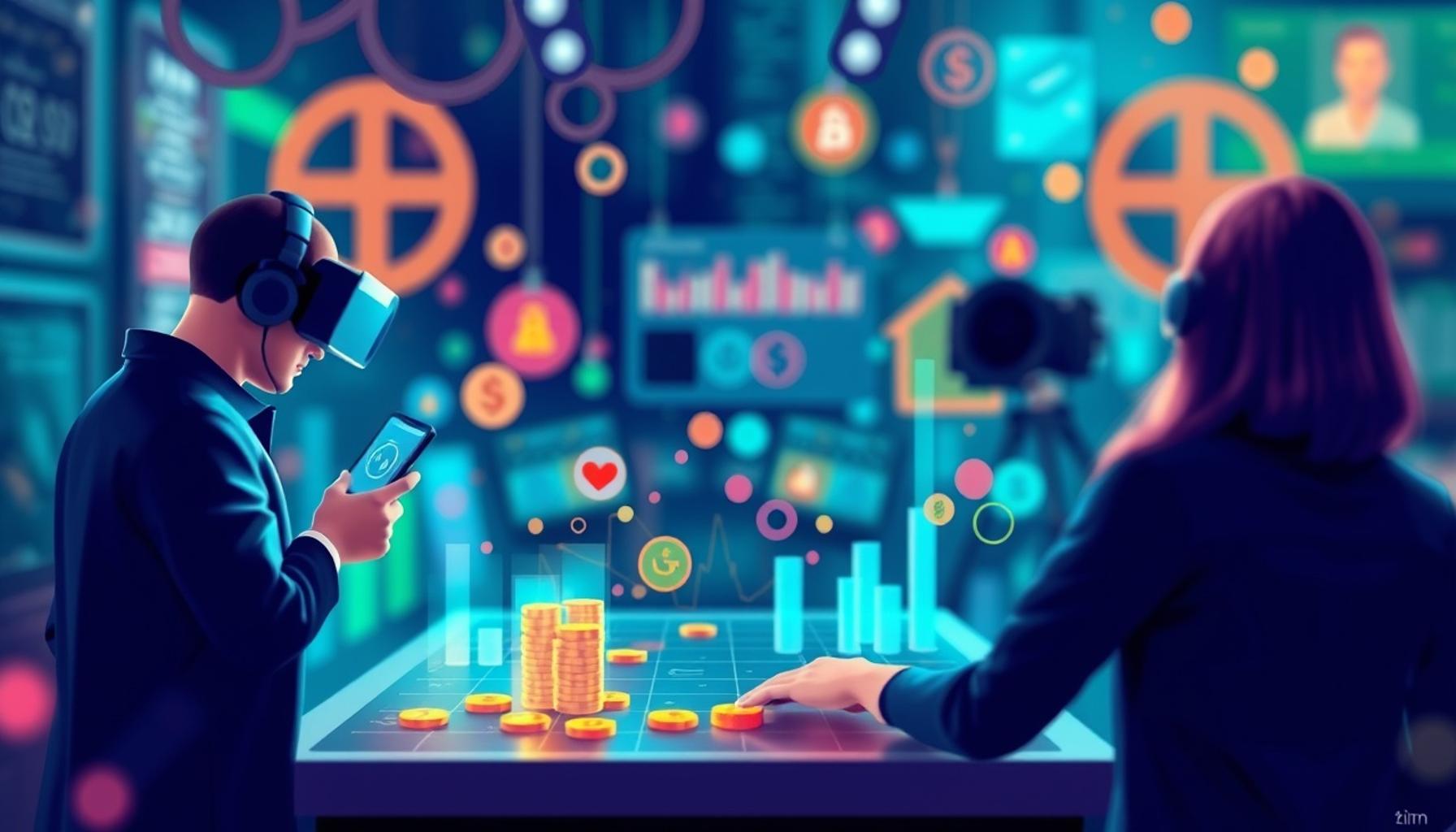
Transforming Consumer Interactions
In recent years, Augmented Reality (AR) and Virtual Reality (VR) have revolutionized the way consumers interact with products and services. These immersive technologies offer experiences that were previously unimaginable, transforming everyday activities into engaging adventures. What makes these technologies truly captivating is their ability to bridge the gap between the digital and physical worlds, creating interactive experiences that enhance our understanding and enjoyment of various products.
From shopping to education, the applications of AR and VR are vast and varied. Some noteworthy examples of how these technologies are being utilized include:
- Virtual Try-Ons: Retailers like Warby Parker allow consumers to try on glasses virtually, enhancing the shopping experience. This feature not only saves time but also empowers customers to make more informed decisions, reducing the likelihood of returns and increasing satisfaction.
- Immersive Gaming: Platforms such as Oculus provide gamers with fully interactive experiences that transport them to new worlds. For instance, games like “Beat Saber” utilize VR technology to create an energetic environment that engages players physically and mentally, setting a new standard for entertainment.
- Real Estate Tours: Real estate agents use VR to offer potential home buyers realistic tours without them having to step foot in the property. This capability, especially during the COVID-19 pandemic, revolutionized how properties are viewed, allowing buyers to explore homes from anywhere, which significantly broadens the market reach for sellers.
The impact of AR and VR extends beyond enhancing individual experiences; these innovations also open new avenues for businesses to connect with their audience. By leveraging these technologies, companies can create personalized experiences that cater to individual preferences, thus fostering customer loyalty. For example, furniture retailers like IKEA have developed AR apps allowing customers to visualize how a piece of furniture would look in their homes before making a purchase, thereby reducing uncertainty and enhancing customer confidence.
As this technology evolves, it becomes increasingly essential to explore how AR and VR can shape the consumer landscape. The implications are significant, from creating engaging customer experiences to designing virtual showrooms that can change the way consumers shop. Understanding their impact will enable businesses to stay ahead of the curve and meet the expectations of the modern consumer.
In conclusion, as AR and VR continue to develop, businesses that embrace these technologies will likely enjoy a competitive edge. By creating more interactive and personalized experiences, companies can not only attract new customers but also ensure that their existing clientele remains engaged and satisfied. The future is undeniably promising for those willing to innovate through these immersive technologies.
DIVE DEEPER: Click here to discover more
Engaging Customers in Retail
The retail sector is one of the most dynamic environments for the adoption of Augmented Reality (AR) and Virtual Reality (VR). These technologies not only enhance the shopping experience but also provide retailers with innovative tools to engage customers on a deeper level. By integrating AR and VR into their operations, retailers can create immersive environments that allow consumers to interact with products in ways that were previously impossible.
One of the standout applications of AR in retail is the rise of product visualization. This technology allows consumers to see how products will look in their own spaces before making a purchase. For instance, Wayfair, an online furniture retailer, has developed an AR app that enables customers to place virtual furniture items in their rooms using their smartphones. This capability allows shoppers to assess size, color, and style without having to visit a physical store, significantly enhancing the decision-making process.
Moreover, AR-driven experiences can cater to a more personalized shopping journey. Retailers can use data from previous purchases to curate specific recommendations for individual customers. By employing AR to create virtual fitting rooms or styling tools, consumers can find products that fit their unique tastes and preferences seamlessly. For instance, in the beauty industry, brands like Sephora have embraced AR technology by offering virtual try-ons for makeup products. Customers can see how different items appear on their faces, which encourages exploration and discovery, ultimately leading to higher conversion rates.
Additionally, VR is reshaping the retail landscape through the development of virtual storefronts. Unlike traditional e-commerce websites, these virtual stores provide an engaging environment where consumers can navigate through aisles, pick up products, and view detailed information. An example of this can be seen with companies like Alibaba, which hosted a “virtual shopping festival” that allowed users to experience a surreal blend of real-world shopping and online convenience from the comfort of their own homes. This transformation provides brands with an extraordinary way to present their merchandise and enhance the overall shopping experience.
AR and VR technologies also facilitate improved customer service within retail environments. Businesses can implement virtual assistants or chatbots within their augmented experiences to guide consumers through their shopping journey. By leveraging an interactive platform, customers can receive real-time assistance, thus enhancing customer satisfaction and reducing frustration. This proactive approach encourages customers to spend more time in-store or online, ultimately increasing sales.
The integration of AR and VR in retail is not just a novelty; it addresses real consumer pain points. Shoppers often face challenges in visualizing products in their own settings or understanding how they might work in their daily lives. AR and VR tackle these issues head-on, turning what could be a tedious process into an engaging and informative journey. By adopting these technologies, retailers can create memories that resonate with consumers long after they leave the virtual store or try out a product.
DIVE DEEPER: Click here to learn more about hybrid learning
Transforming Tourism and Hospitality
Alongside retail, the tourism and hospitality sectors are among the most significant areas benefiting from the incorporation of Augmented Reality (AR) and Virtual Reality (VR). These technologies are reshaping how consumers explore, plan, and experience their travel adventures. By providing immersive previews of destinations, they help travelers make informed decisions and enhance their overall enjoyment.
One of the most notable uses of VR in tourism is the creation of virtual travel experiences. Companies like Expedia and Marriott have introduced VR tools that allow prospective travelers to explore hotels and vacation spots virtually. By donning a VR headset, users can take virtual tours of potential accommodations, witness the beauty of scenic locations, and familiarize themselves with amenities before booking their trips. This capability can significantly reduce the anxiety associated with travel planning, as consumers can virtually “try before they buy.”
Furthermore, AR applications in tourism can enrich the travel experience itself. Visitors can utilize their smartphones or AR glasses to access real-time information about landmarks, neighborhoods, or events as they explore new areas. For instance, destinations like New York City have implemented AR-guided tours that overlay historical facts, audio commentary, and directions onto users’ surroundings. This technology not only enhances the educational component of travel but also fosters a deeper connection between tourists and their destinations.
In the hospitality industry, AR has proven to be an asset for enhancing guest experiences. Hotels can integrate AR features into their services by providing interactive room service menus or virtual concierge assistants. Guests can point their devices at in-room guides to access a wealth of information about facilities, local attractions, and personalized suggestions tailored to their interests. This level of service elevates the customer experience, creating a more memorable stay.
Enhancing Events and Entertainment
AR and VR also play essential roles in the events and entertainment industries, enabling unique experiences that captivate and engage audiences. Concerts, conferences, and exhibitions are integrating these technologies to transcend traditional limitations and deliver fully immersive experiences. For instance, a live concert could incorporate VR components that allow fans to experience the show from different angles or even interact with augmented visuals in real-time, making them feel like they’re part of something bigger.
Furthermore, sports events are embracing AR for enhanced viewer engagement. The NFL has introduced AR experiences that allow fans to view real-time stats, player information, and interactive replays while watching a game in stadiums or at home. By merging physical and digital experiences, fans can access valuable insights, elevating their enjoyment and understanding of the game.
As the consumer landscape continues to evolve, the applications of AR and VR across various sectors will only expand. Their ability to address specific needs and challenges faced by consumers makes them invaluable tools for businesses aiming to stay competitive in today’s market. Whether through immersive retail environments, enriched travel experiences, or engaging events, AR and VR are poised to redefine the way we interact with the world around us.
DIVE DEEPER: Click here to discover more
Conclusion
In today’s rapidly evolving digital landscape, Augmented Reality (AR) and Virtual Reality (VR) are not just technological novelties; they are essential tools that are transforming the way consumers engage with brands and experiences. From the immersive shopping environments that allow customers to interact with products in a virtual space to the groundbreaking travel applications enabling users to explore destinations before making a commitment, AR and VR are reshaping our expectations and interactions across multiple sectors.
The significant impact of these technologies extends into the hospitality and entertainment industries, unlocking new possibilities for enhanced experiences that resonate more deeply with consumers. By providing tailored, interactive, and immersive encounters, businesses can cultivate stronger relationships with their customers, ultimately driving loyalty and satisfaction.
As we look to the future, it is clear that AR and VR will continue to push the boundaries of innovation. Companies that embrace these technologies stand to gain a considerable competitive edge, not only by meeting the evolving demands of consumers but also by offering them experiences that are engaging and memorable. The potential for customization and interactivity these technologies provide heralds a new era of consumer engagement, where the lines between the digital and physical worlds blur, creating rich and seamless experiences.
As we navigate this exciting frontier, businesses must remain attuned to consumer preferences and technological advancements, ensuring they leverage the transformative power of AR and VR to foster meaningful connections and deliver unparalleled value. Indeed, the future of consumer experience is here, and it is more engaging than ever.

Linda Carter
Linda Carter is a writer and expert known for producing clear, engaging, and easy-to-understand content. With solid experience guiding people in achieving their goals, she shares valuable insights and practical guidance. Her mission is to support readers in making informed choices and achieving significant progress.