The Role of the Internet of Things (IoT) in the Transformation of Smart Cities
The Rise of Smart Cities through IoT Technology
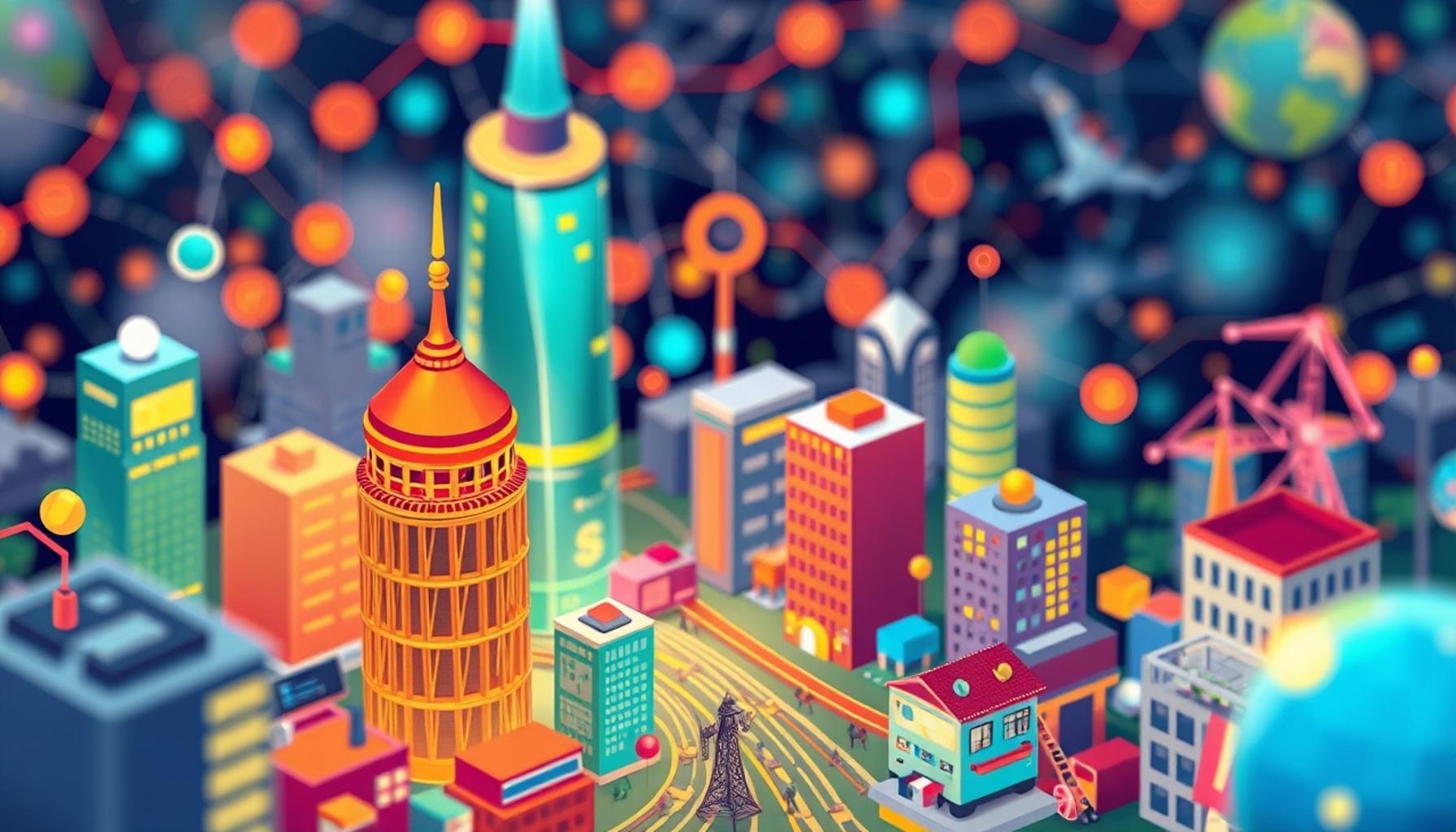
Urban areas are undergoing a remarkable transformation as they adapt to the needs of modern residents. This evolution is primarily marked by the emergence of smart cities. At the heart of this transformation is the Internet of Things (IoT), a network of interconnected devices that communicate and share data. By leveraging IoT technology, cities can significantly enhance the quality of life for their inhabitants through innovative solutions.
Key Benefits of IoT in Smart Cities
What specific advantages does IoT offer to urban living? Understanding these benefits can provide deeper insights into the role of technology in our daily lives. Here are some compelling examples:
- Improved Efficiency: Consider smart lighting systems that adjust based on the time of day and presence of pedestrians. For instance, in cities like Los Angeles, streetlights equipped with sensors not only save energy but also help in reducing light pollution. Similarly, smart traffic management systems utilize real-time data from cameras and sensors to optimize traffic flow, leading to reduced congestion and lower carbon emissions.
- Enhanced Public Safety: IoT has revolutionized public safety through connected surveillance systems. Cities such as Chicago have implemented these systems to monitor streets continuously. These smart cameras can alert law enforcement in real-time about unusual activities, improving the response time during emergencies and enhancing the overall security of neighborhoods.
- Efficient Resource Management: Smart waste management is another area transformed by IoT technology. For example, New York City has installed smart waste bins equipped with sensors that signal when they are full. This data allows waste management services to optimize collection routes, reducing operational costs and environmental impact by minimizing unnecessary pickups.
Data-Driven Decision Making
The integration of IoT into urban infrastructures leads to a substantial amount of data generation. This data, when analyzed, can provide valuable insights for city planners and administrators. For instance, data on traffic patterns can inform the development of new roadways or public transit routes that better serve the community. By making decisions based on actual user data rather than assumptions, cities can more effectively address infrastructure challenges and create tailored solutions that resonate with the unique needs of their populations.
Collaboration and Connectivity
The success of smart cities hinges on the collaboration between devices, services, and people. This interconnectedness fosters a community-driven approach where residents can engage with their city in unprecedented ways. Whether it’s providing feedback through mobile applications or participating in local decision-making processes, the IoT empowers citizens to play an active role in shaping their urban environment.
As we continue to embrace technology in our cities, it is clear that IoT is laying the groundwork for a dynamic, efficient, and responsive urban living experience. The smart city revolution is not just about advanced technologies; it is about enhancing the quality of life for everyone living in these urban landscapes.
DISCOVER MORE: Click here to dive deeper
Understanding the Impact of IoT on Urban Living
The transition to smart cities is fundamentally reshaping how urban areas function, and the role of the Internet of Things (IoT) in this transformation cannot be overstated. IoT encompasses a vast array of devices and sensors that collect, transmit, and analyze data to enhance city operations and improve the quality of life for residents. By delving deeper into how IoT influences various aspects of urban living, we can appreciate its profound impact on our daily experiences.
Streamlined Transportation Systems
Transportation is one of the critical sectors benefiting from IoT technology. Through the implementation of smart transportation systems, cities can significantly enhance mobility. These systems use interconnected sensors and devices to provide real-time information about traffic conditions, public transportation schedules, and even the availability of parking spaces. For example:
- Real-Time Traffic Management: Cities like San Francisco are employing IoT solutions that analyze traffic flow and adjust traffic signals accordingly. This results in reduced travel times and decreased frustration for commuters.
- Smart Public Transport: Buses equipped with GPS tracking allow riders in cities like Seattle to access real-time arrival information through mobile apps. This not only improves the overall experience for passengers but also encourages increased use of public transport systems.
- Parking Solutions: In Chicago, smart parking meters and apps provide information about available spaces, helping drivers find parking more efficiently. This reduces the time spent searching for parking, which in turn alleviates congestion and lowers emissions.
Enhanced Utilities and Energy Management
Utilities worldwide are also reaping the benefits of IoT technology in managing resources more effectively. Smart meters and grid technologies enable cities to monitor energy consumption in real-time, facilitating better demand management. For instance, cities like Austin have implemented smart grid solutions that allow residents to track their energy usage via mobile applications, encouraging more sustainable practices.
This real-time data enables utilities to respond promptly to outages, pinpoint inefficiencies, and optimize energy distribution. Furthermore, IoT can facilitate the integration of renewable energy sources into the grid, promoting sustainability and reducing carbon footprints. As cities transition to more eco-friendly practices, the role of IoT in energy management becomes increasingly vital.
Health and Environmental Monitoring
The health of the urban environment and its citizens is another area where IoT technology is making significant strides. Through sensors placed throughout the city, IoT can monitor air quality, noise levels, and even temperature changes. Cities like Boston are utilizing this technology to gather data that informs public health initiatives and environmental policies.
By analyzing data from these sensors, city planners can identify pollution hotspots and deploy resources to improve air quality, ultimately leading to a healthier urban environment. Furthermore, such monitoring is essential for real-time responses to health crises, allowing cities to react promptly and effectively.
In summary, IoT serves as a crucial foundation for the development of smart cities, influencing transportation, utilities, and health monitoring systems. As these interconnected devices enhance urban living, the potential for more efficient, sustainable, and responsive cities becomes a tangible reality, inviting urban residents to envision a future shaped by technology. Through smarter infrastructures and real-time data, IoT not only transforms urban living but also enriches the community experience, stimulating collaboration among residents and city officials alike.
DIVE DEEPER: Click here to discover more
Transforming Public Safety and Emergency Response
Another fundamental area where IoT is making a profound impact is public safety and emergency response. With the integration of smart technologies, cities can enhance their preparedness for and response to emergencies. IoT-powered solutions improve communication between various agencies and provide real-time data that can be vital during a crisis. Consider the following:
Smart Surveillance Systems
Smart surveillance systems equipped with IoT devices help enhance security in urban settings. These systems employ advanced analytics, including facial recognition and motion detection, to monitor public spaces effectively. Cities like New York have begun deploying these technologies to not only deter criminal activity but also to analyze trends and enhance law enforcement strategies. By utilizing data from connected cameras and sensors, authorities can respond quicker to incidents and allocate resources efficiently.
Disaster Management
IoT technology plays a crucial role in disaster preparedness and recovery as well. For instance, cities vulnerable to flooding, such as Miami, are using IoT sensors to monitor water levels in real-time. These sensors send alerts when thresholds are exceeded, allowing for timely evacuations and resource allocation. Emergency management agencies can deploy rescue teams more effectively by leveraging real-time data, thus saving lives and minimizing property damage.
Public Health Surveillance
IoT is also instrumental in public health surveillance, particularly evident during the COVID-19 pandemic. Smart cities are employing IoT sensors to monitor crowd densities in real-time, helping maintain social distancing guidelines effectively. Furthermore, systems that monitor the spread of infectious diseases provide invaluable data that aids health officials in making informed decisions. For instance, cities like Los Angeles have employed wearable devices and mobile applications for contact tracing, which rely on IoT technology to track and contain outbreaks swiftly.
Community Engagement through IoT
IoT technologies are not only about enhancing infrastructure but also about fostering community engagement. In many smart cities, platforms have been established where residents can connect with local governments and share their insights or report issues. For example, cities like Austin utilize mobile apps where residents can submit feedback on city services, report potholes, and even suggest new initiatives. This connection promotes collaboration between city officials and residents, ultimately leading to a better urban environment.
Energy-Efficient Lighting Systems
Street lighting represents another area where IoT can make a significant difference. Smart lighting systems equipped with sensors can adjust their brightness according to ambient light or the presence of pedestrians. This not only enhances safety by providing adequate lighting when needed but also considerably reduces energy consumption. Cities like Los Angeles have retrofitted streetlights with IoT capabilities, resulting in substantial cost savings and decreased environmental impact. This intelligent lighting infrastructure contributes to both safety and sustainability, exemplifying the multifaceted benefits of IoT.
As we can see from these examples, the role of IoT in public safety, emergency response, community engagement, and energy efficiency is crucial in transforming urban landscapes into smart cities. The interconnected nature of these systems fosters resilience, increases the responsiveness of city services, and empowers residents to take an active role in their communities. Through innovative applications of IoT technology, cities are moving towards safer, more livable, and sustainable urban environments, ultimately enhancing the quality of life for all citizens.
DISCOVER MORE: Click here for deeper insights
Conclusion
In conclusion, the integration of the Internet of Things (IoT) into urban infrastructure is fundamentally reshaping the future of smart cities. By connecting various systems and devices, cities can create a dynamic and responsive environment that enhances the quality of life for residents. The transformative impacts of IoT are evident across multiple sectors, including public safety, emergency management, community engagement, and energy efficiency.
Public safety has been significantly improved through smart surveillance systems and efficient disaster management strategies, allowing cities like New York and Miami to respond proactively in crisis situations. Furthermore, IoT facilitates better public health outcomes by enabling real-time monitoring of crowd behaviors and disease spread, exemplified by the initiatives in cities such as Los Angeles during the pandemic.
Moreover, smart cities actively engage their communities using IoT technologies, which fosters collaboration between residents and local governments. This not only helps in addressing citizen concerns but also encourages civic participation, leading to an empowered and informed populace.
Finally, the application of IoT in developing energy-efficient systems, such as smart lighting, underscores the commitment of urban environments to sustainable practices. As cities continue to embrace technological advancements, the potential for IoT to address urban challenges and improve living conditions is boundless. Clearly, the role of IoT in the transformation of smart cities is not just about technology—it’s about creating responsive, sustainable, and inclusive urban spaces for future generations.

Linda Carter
Linda Carter is a writer and expert known for producing clear, engaging, and easy-to-understand content. With solid experience guiding people in achieving their goals, she shares valuable insights and practical guidance. Her mission is to support readers in making informed choices and achieving significant progress.